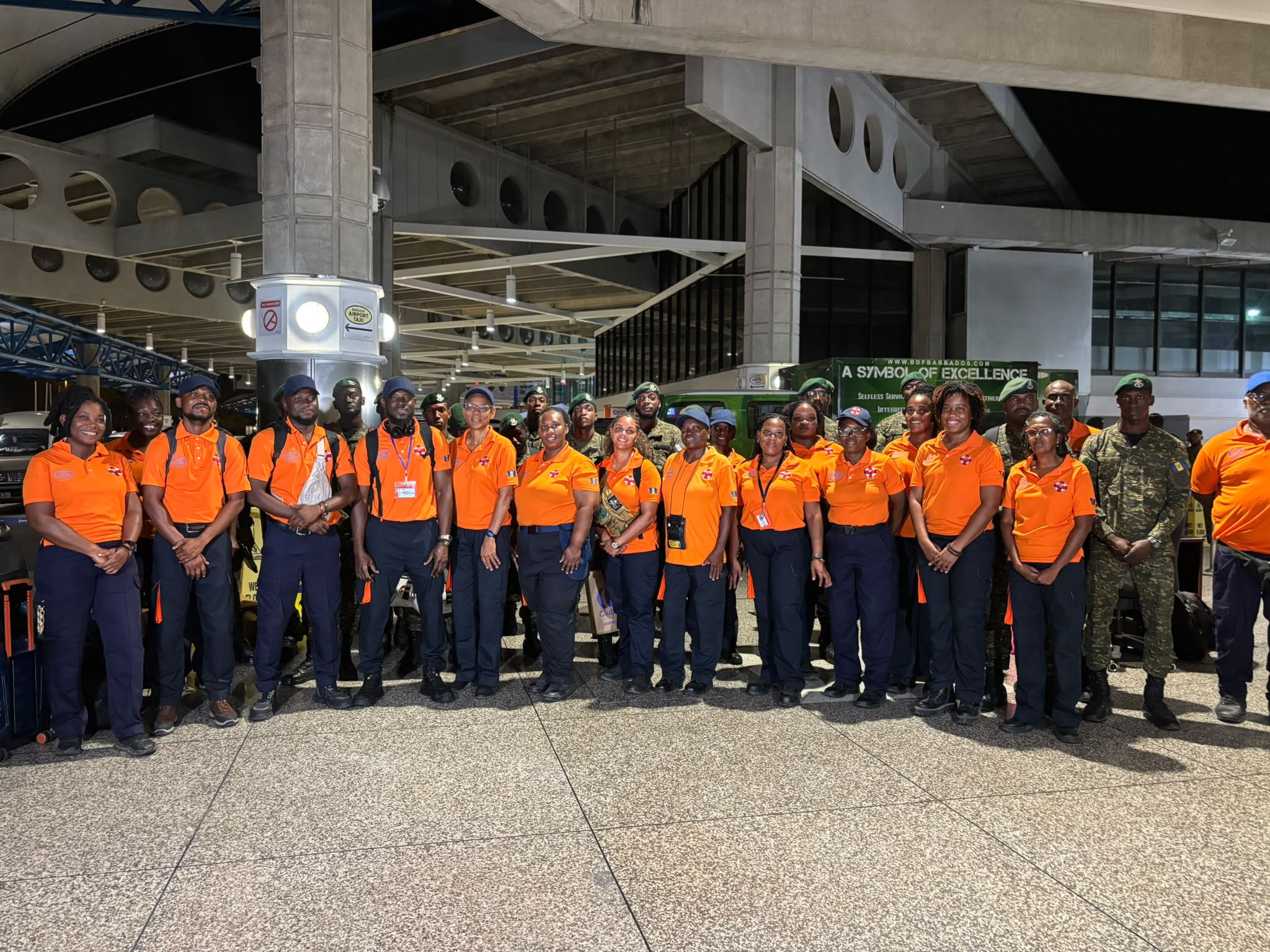


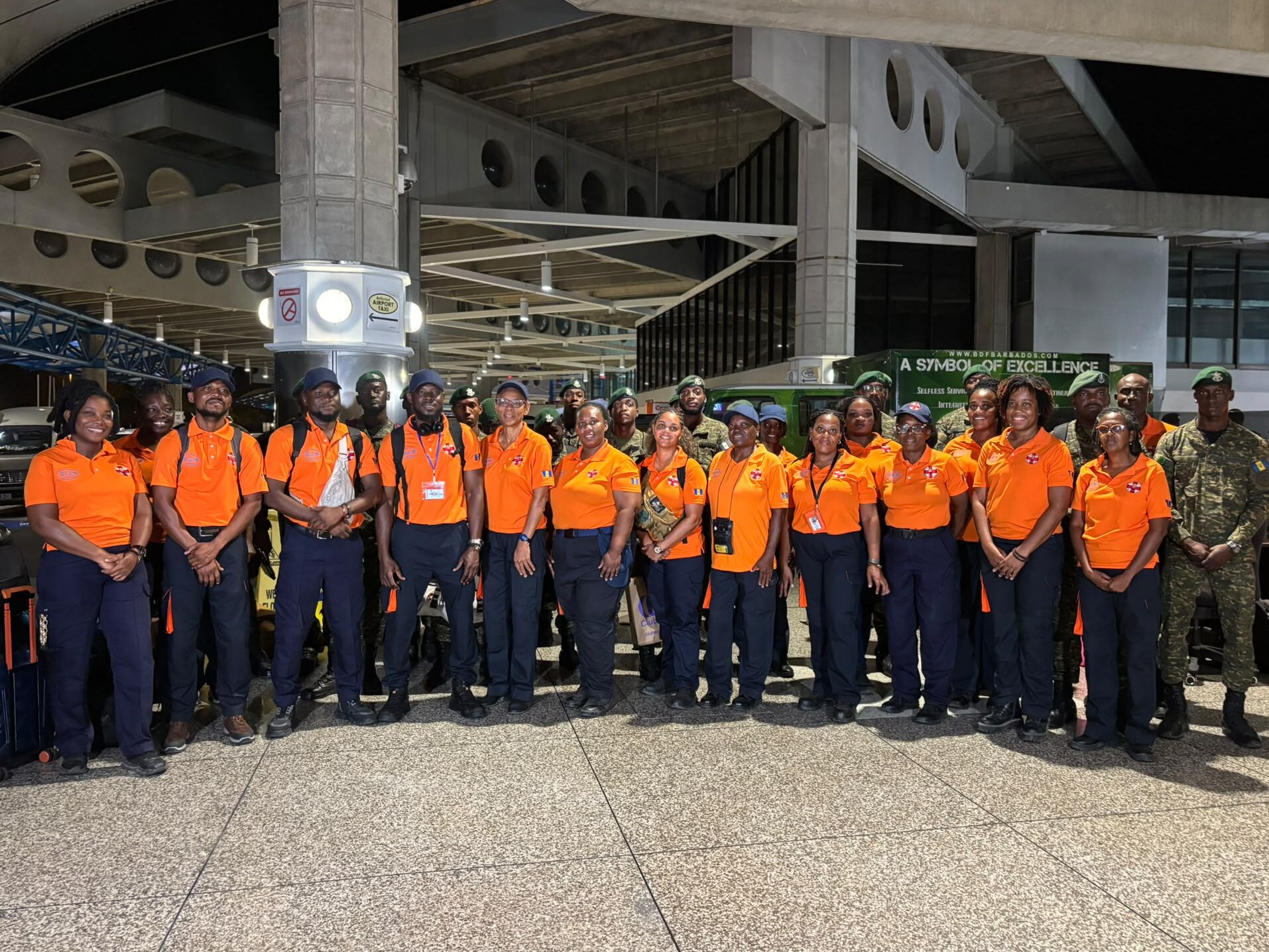
Barbados’ first rotation of emergency medical and security personnel has returned home from earthquake-hit Venezuela after helping establish a field hospital which has treated approximately 1,500 people, carried out up to 20 surgeries and dispensed more than 1,000 prescriptions.
The deployment forms part of Operation Lifeline, Barbados’ humanitarian response to the devastating earthquakes which struck north-central Venezuela on June 24. The two major earthquakes, measuring magnitudes 7.2 and 7.5, struck approximately 40 seconds apart and affected several states across the country.
The Barbados Defence Force Emergency Medical Team established its field hospital in Guarenas, where Barbadian military personnel have worked alongside civilian doctors, nurses, technicians and other medical volunteers to provide care to affected communities. The hospital is under the charge of Lieutenant Commander Anderson Goodridge.
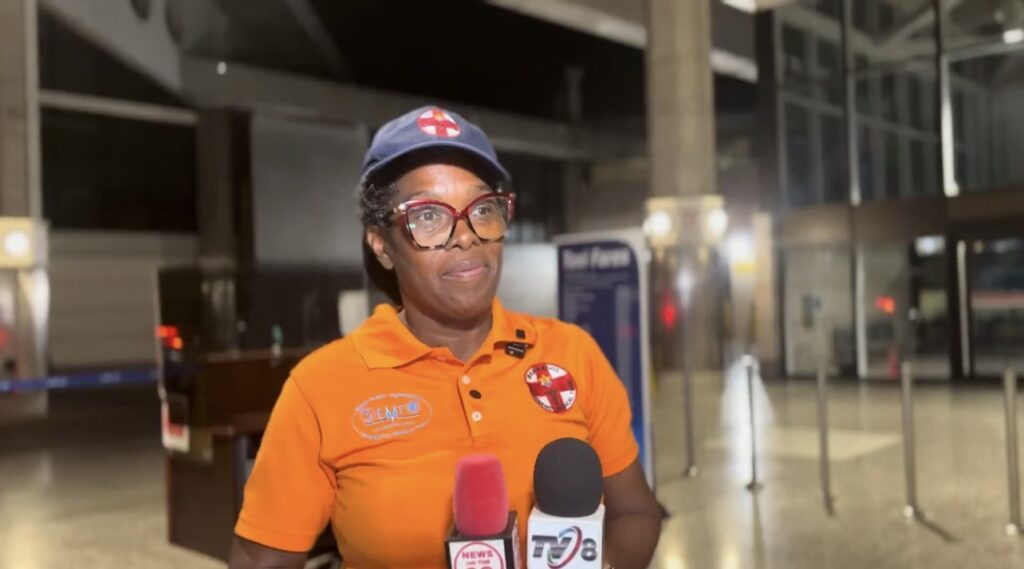
For Odella O’Neil, second-in-command of the Barbados Emergency Medical Team, the demand for care was evident from the beginning.
“Every day there were a number of persons just waiting…” O’Neil recalled as she spoke about residents gathering for treatment when the facility opened.
The medical team provided a broad range of services, including emergency care, antenatal and paediatric services, X-rays, mammograms and surgical procedures.
By the time of the rotation, BDF Chief of Staff Brigadier Carlos Lovell said approximately 1,500 Venezuelans had received emergency medical care through the hospital, with between 15 and 20 surgeries performed. CBC also reported that more than 1,000 prescriptions had been dispensed.
Those numbers represent a significant increase from the earlier stages of the deployment, when the hospital had treated just over 700 people and completed eight minor surgical procedures.
The Barbadian operation has combined medical services with military security, with BDF personnel responsible for protecting the hospital, medical volunteers and supporting infrastructure while the healthcare team focuses on patient care.
Ahead of the next rotation, Lovell reassured civilian medical personnel that BDF members would remain responsible for their safety and security throughout the deployment. He described Barbados’ mission as “taking an olive branch from Barbados to Venezuela”, reflecting what he said was the country’s willingness to assist its neighbour during the humanitarian crisis.
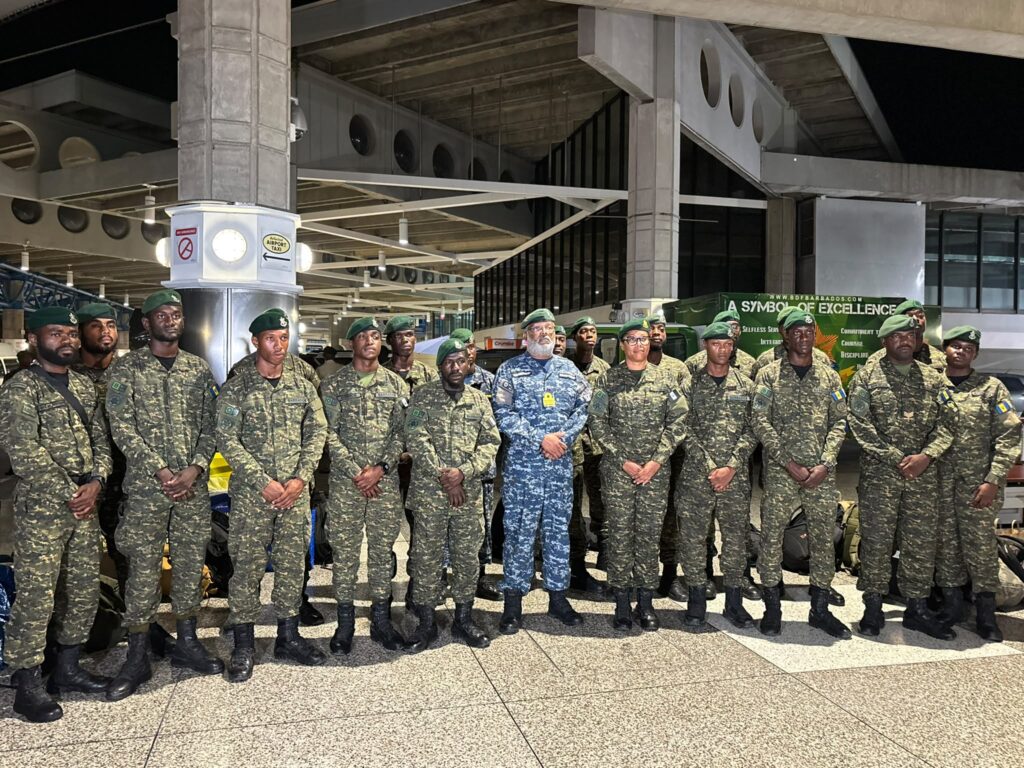
The first Barbadian personnel on the ground were tasked with much more than treating patients. An advance team erected the hospital, secured utilities including electricity and water and established the systems required for the medical operation to function.
That groundwork has now allowed the incoming rotation to continue operations without having to rebuild the facility or its support systems from scratch.
A new team of 61 BDF personnel and civilian medical volunteers was deployed as part of the planned rotation, comprising approximately 23 military personnel and 38 civilian doctors, nurses, technicians and other medical practitioners. The BDF is maintaining a wider Barbadian contingent of just over 100 personnel involved in the response.
The mission is expected to continue for approximately three months, using month-long rotations to maintain medical and operational support in Venezuela.
The scale of the wider health emergency remains significant. PAHO reported that dozens of health facilities were damaged by the earthquakes, while its August 1 situation report recorded 24,477 displaced people living across 107 transitional sites, with continuing pressure on health, sanitation and essential services.
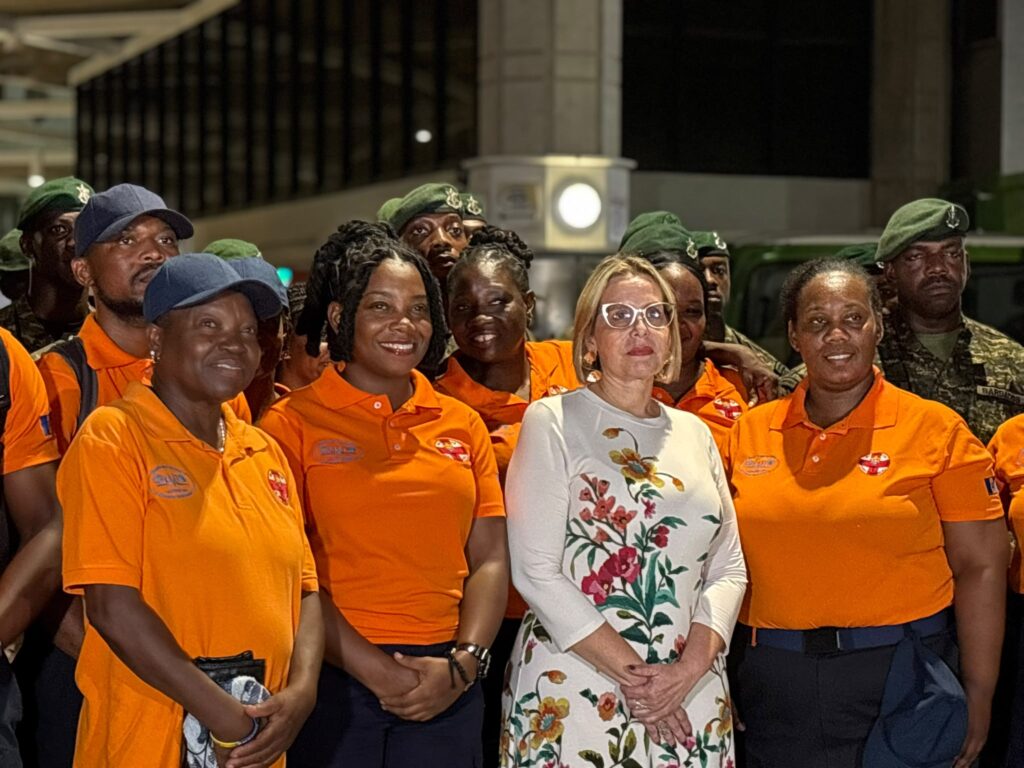
Barbados’ Ambassador to Venezuela, Commander Aquinas Clarke, previously described the deployment as an opportunity for Barbados to support a longstanding regional partner.
“Venezuela has always been a friend to Barbados,” Clarke said while encouraging additional Barbadian medical professionals to volunteer for the mission.
Beyond the immediate medical assistance, the deployment is also providing Barbadian personnel with real-world experience in operating a field hospital following a major natural disaster.
With the first rotation completed and another team now continuing the work, Operation Lifeline has demonstrated Barbados’ capacity to deploy medical, security and disaster-response personnel beyond its shores while contributing directly to a major regional humanitarian response.